Category: Custom molds for resin

  • custom injection molding manufacturer: Complete Procu 2026

    For overseas buyers, sourcing from a custom injection molding manufacturer in China remains a strategic move for achieving cost efficiency, scalability, and specialized production capabilities. However, the landscape is evolving rapidly. The procurement playbook from five years ago is outdated. Success in 2026 demands a more sophisticated, digitally-aware, and quality-focused approach that moves beyond simply finding the lowest quote. This guide is designed to cut through the noise and provide a modern, actionable framework for partnering with a reliable China mold factory. We will address the real challenges—from initial supplier verification to final quality assurance—and provide clear solutions to ensure your injection mold and production run are executed flawlessly.

    Mastering Digital Supplier Discovery and Verification

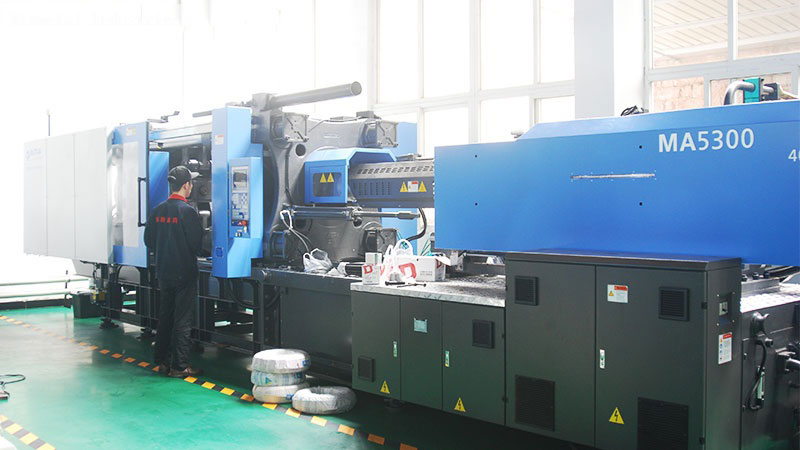
    The first step is moving beyond generic B2B platforms. While they are a starting point, true verification in 2026 requires deeper due diligence. Begin by identifying suppliers with a strong digital footprint that demonstrates real expertise. A professional custom injection molding manufacturer will have a detailed website showcasing engineering case studies, not just product catalogs. Look for technical blogs, videos of their factory floor, and specifications of their machinery. Utilize professional networks like LinkedIn to check key employees’ profiles. Crucially, verify business licenses via third-party services and insist on a video tour of the facility as a non-negotiable first step. This virtual audit allows you to assess shop floor organization, machinery brands (e.g., Haitian, Engel, or Arburg presses), and cleanliness—key indicators of a professional operation before you ever commit to a site visit.

    The Technical Partnership: From RFQ to Design for Manufacturability

    Your request for quotation (RFQ) package is your most critical control point. A vague RFQ will yield ambiguous quotes and future problems. Provide a comprehensive package including a detailed 3D model (STEP or IGS file), 2D drawings with critical dimensions and tolerances clearly marked, material specifications (grade and color), expected annual volumes, and cosmetic requirements. This precision allows for accurate comparison. The hallmark of a superior China mold factory is their engineering feedback. A good partner will perform a Design for Manufacturability (DFM) analysis, suggesting modifications to part geometry, wall thickness, or gate locations to improve moldability, reduce cost, and enhance part strength. View this collaborative engineering phase not as a hurdle, but as the foundation of a successful project and a key test of your supplier’s technical competency.

    Navigating the Injection Mold Development and Sampling Process

    Mold development is where your investment is materialized. Insist on a stage-gate payment schedule tied to clear milestones: deposit upon order, payment after mold design approval, payment after T1 sample approval, and final balance before mass production. For the mold itself, clarify steel grade (e.g., P20, H13, S136 for corrosion resistance), cavity polish requirements, and the mold lifecycle guarantee. The first article inspection (FAI) from the T1 samples is paramount. Do not approve samples based on photos alone. Require physical samples to be shipped to you for hands-on measurement and testing. Use this phase to validate the injection mold’s performance. Create a sample approval report documenting all measurements against the drawing. Any deviations must be corrected before proceeding, ensuring the tool is perfected for production.

    Implementing Proactive and Multi-Stage Quality Control Protocols

    Quality cannot be inspected into a product; it must be built into the process. Relying solely on final pre-shipment inspection is a high-risk strategy for 2026. Instead, implement a multi-stage QC protocol. Define your Critical-to-Quality (CTQ) dimensions and require the supplier to provide initial sample measurement reports. For production, mandate in-process inspections and require data from Statistical Process Control (SPC) if volumes justify it. For final verification, partner with a reputable third-party quality control firm based in China to conduct an on-site AQL inspection. This provides an unbiased assessment of the entire batch. Furthermore, clearly agree on packaging standards to prevent transit damage. A professional supplier will understand and comply with these layered checks, viewing them as a sign of a serious, long-term partner.

    Building a Strategic Partnership for Long-Term Success

    The most successful procurement strategies view the manufacturer not as a vendor, but as a strategic extension of your own production team. This involves clear, documented communication. Appoint a single point of contact on both sides. Use shared project management tools for tracking open issues. Discuss intellectual property protection upfront and sign a comprehensive NNN agreement (Non-Use, Non-Disclosure, Non-Circumvention) that is enforceable in Chinese jurisdiction. Plan for mold maintenance and storage. A reliable partner will offer to store your injection mold and perform regular maintenance for a fee, ensuring it is always production-ready. Finally, foster the relationship with regular communication and consider scheduled annual visits to strengthen ties and collaborate on future product developments.

    Conclusion

    Procuring from a custom injection molding manufacturer in China in 2026 is a detail-oriented process that balances technical rigor with strategic relationship management. The journey from supplier verification through to consistent quality production is paved with clear communication, meticulous documentation, and proactive oversight. By adopting this modern guide’s approach—emphasizing digital verification, collaborative engineering, controlled mold development, layered quality control, and partnership building—overseas buyers can significantly mitigate risk and unlock the immense value the Chinese manufacturing sector offers. The goal is no longer just to buy a mold or parts, but to secure a reliable, high-quality manufacturing pipeline that delivers competitive advantage for years to come.

    Work With Us

    As a professional China mold manufacturer, we provide one-stop mold solution for overseas buyers.
    📞 Phone: +86-18605944639
    💬 WhatsApp: +8618605944639
    🌐 Website: bestmoldworks.com
    📧 Email: [email protected]
  • injection mold manufacturers in china: Reliable Manufac 2026

    For overseas buyers, the decision to import molds from China represents a significant strategic advantage, offering access to advanced manufacturing capabilities, extensive material options, and competitive pricing. However, the path to a successful procurement outcome is often paved with questions about reliability, quality, and communication. As we look toward 2026, the landscape for sourcing tooling is evolving, demanding more sophisticated approaches from international clients. This guide provides actionable, professional insights to help you navigate the process of engaging with injection mold manufacturers in China, ensuring your partnership is built on a foundation of clarity, quality, and mutual success.

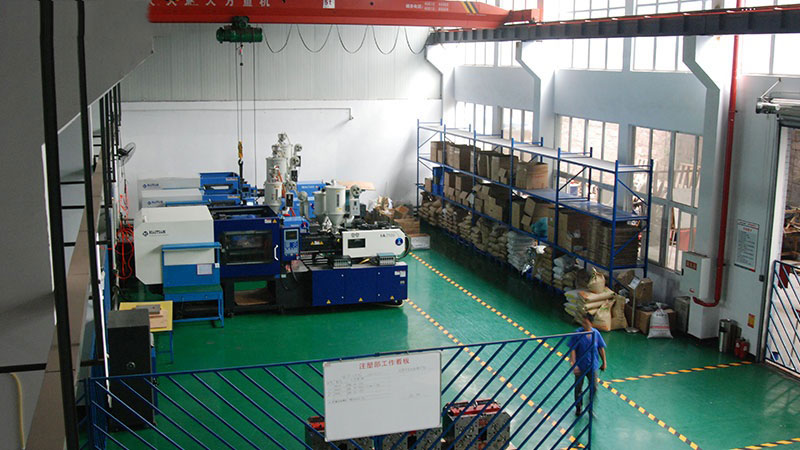
    The cornerstone of any successful import project is rigorous supplier verification. Moving beyond a simple website check or Alibaba profile is non-negotiable. In 2026, due diligence means leveraging multiple verification layers. Start with official business license checks through platforms like Tianyan Cha or the Chinese National Enterprise Credit Information Publicity System. This confirms legal standing and registered capital. Next, insist on a virtual or, ideally, an in-person factory audit. A reputable China mold factory will readily arrange a video tour, showcasing their workshop floor, machinery brands like Haitian or Engel, mold trial areas, and quality control stations. Request detailed case studies and contact references from past international clients, specifically those in your industry. This multi-faceted verification process filters out trading companies masquerading as manufacturers and identifies partners with genuine capability.

    Once a potential partner is identified, defining and agreeing upon explicit quality control protocols before order placement is critical. Ambiguity here is the primary source of disputes. Professional injection mold manufacturers in China expect and respect detailed specifications. Your technical package must be exhaustive, including not just part drawings but also a comprehensive Design for Manufacturability report, material specifications with grade and supplier preferences, and a critical Quality Control Plan. This plan should define key inspection stages: First Article Inspection reports with full CMM data, pre-shipment sampling using statistical methods, and clear criteria for critical dimensions, surface finish standards, and mold performance metrics like cycle time and cavitation. Specify the use of internationally recognized measurement tools and the format for sharing inspection data. Establishing these benchmarks upfront aligns expectations and provides a clear framework for accountability throughout the manufacturing process.

    Effective communication and project management structures are what transform a transactional purchase into a reliable partnership. The 2026 standard involves moving beyond sporadic email updates to a structured, transparent system. Demand a dedicated project manager from the supplier’s side who is proficient in English and technical terminology. Implement a phased communication plan with scheduled milestone reviews, such as after mold design completion, following steel cutting, after machining, and post-trial. Utilize shared cloud platforms for drawing revisions and approval to maintain a single source of truth. Discuss and agree on regular update formats, whether through weekly video conference calls or structured email reports with photos and videos. This proactive approach minimizes surprises, allows for early issue identification, and builds a relationship based on transparency, which is as vital as the technical procurement itself.

    Understanding and strategically navigating commercial terms is essential for a smooth import process. The Incoterms 2020 you select will dictate responsibilities and risks. For mold imports, FOB is often a balanced choice, giving you control over the shipping logistics once the mold leaves the factory. Ensure all costs are broken down in your quotation: mold cost, material cost for samples, trial charges, and any ancillary fees. Discuss payment terms that protect both parties; a common and secure structure is a staggered payment schedule, for instance, 30-40% deposit, 40% after successful trial, and the balance before shipment. Furthermore, clarify intellectual property protection in your contract. A professional supplier will sign a Non-Disclosure Agreement and a contract that explicitly states all design and tooling IP remains your property. These commercial clarifications prevent misunderstandings and ensure a professional, secure business engagement.

    The final, often underestimated phase is the post-trial and shipping preparation. A successful mold trial is not the finish line; it is a critical handoff point. Be present, either in person or via live stream, for the final trial. Evaluate not just the part but also the mold’s performance. Once approved, the focus shifts to preservation and shipment. Ensure the China mold factory follows a strict mold preservation procedure, including complete cleaning, application of anti-rust agents, and proper packaging in a custom wooden crate with desiccants. The crate should be clearly labeled with handling instructions and your contact information. Verify all shipping documents, including a detailed commercial invoice, packing list, and the mold’s certificate of origin, are accurate and prepared for customs clearance in your country. This meticulous attention to the final details guarantees your investment arrives in perfect condition, ready for production.

    Sourcing from injection mold manufacturers in China in 2026 is defined by strategic partnership and meticulous process management, not just cost savings. By implementing a disciplined approach to supplier verification, establishing unambiguous quality control plans, structuring transparent communication, securing clear commercial terms, and managing the post-trial process diligently, overseas buyers can mitigate risks and unlock tremendous value. The most reliable manufacturing outcomes are achieved through preparation, clarity, and collaboration. By applying these professional frameworks, you position your project for success, transforming the complexity of international procurement into a reliable and competitive advantage for your business.

    Work With Us

    As a professional China mold manufacturer, we provide one-stop mold solution for overseas buyers.
    📞 Phone: +86-18605944639
    💬 WhatsApp: +8618605944639
    🌐 Website: bestmoldworks.com
    📧 Email: [email protected]
  • blow mold manufacturers in china: Complete Procurement 2026

    For overseas buyers, sourcing blow molds from China remains a cornerstone strategy for achieving significant cost savings and accessing advanced manufacturing capabilities. However, the landscape is evolving rapidly. The procurement playbook from five years ago is outdated. In 2026, success hinges on a more sophisticated, verification-heavy, and partnership-oriented approach. This guide cuts through the noise to provide a complete, actionable framework for navigating the current market of blow mold manufacturers in China, ensuring you secure not just a low price, but lasting value, quality, and reliability.

    The core challenge is no longer simply finding a list of suppliers; it’s efficiently identifying and vetting the right partner among thousands of options. The risks of poor communication, hidden costs, and substandard tooling are real, but they are entirely manageable with a structured process. This guide is designed to solve the real problems you face: How do I verify a supplier’s true capability? How is quality controlled from design to shipment? What does a professional procurement flow look like today? We move beyond basic directories to a strategic procurement methodology tailored for the 2026 market.

    Conducting Deep-Dual Verification Beyond Alibaba

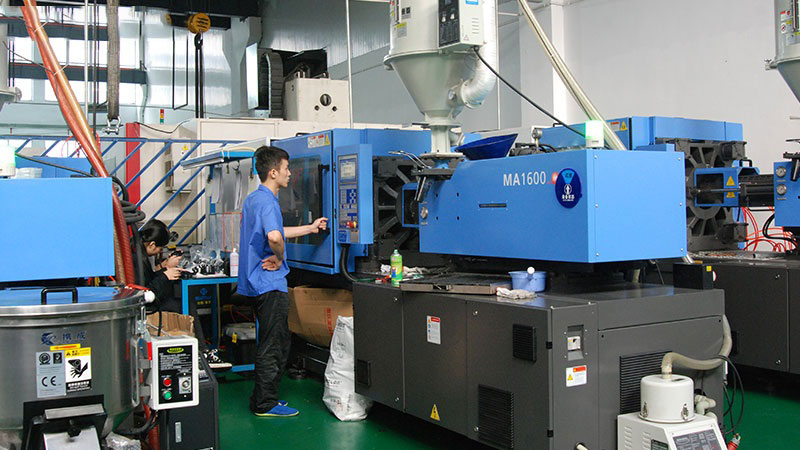
    Begin your search on comprehensive platforms like Alibaba, Made-in-China, or Global Sources, using keywords like “blow mold” and “China mold factory.” However, consider this only the initial discovery phase. In 2024, true verification requires a dual-path approach. First, conduct a digital deep-dive. Scrutinize the company’s owned media: a professional, detailed website with technical blogs, active LinkedIn profiles showcasing projects, and YouTube channels with factory walkthroughs are strong positive signals. Second, and crucially, initiate a technical dialogue immediately. Send a detailed RFQ (Request for Quotation) with your part drawings, material specifications (e.g., HDPE, PET), and expected annual volumes. A competent manufacturer will respond with insightful questions about your design, cooling requirements, and production environment, not just a bare price. This separates order-takers from engineering partners.

    Mastering the Technical and Commercial Audit

    Once potential partners are shortlisted, a rigorous audit is non-negotiable. For blow mold manufacturers in China, this audit has two pillars: technical and commercial. The technical audit should focus on their expertise in your specific niche—whether it’s extrusion blow molding for large containers, injection stretch blow molding (ISBM) for precision bottles, or complex multi-layer molds. Request to see mold flow analysis reports from previous similar projects. Discuss their standard for mold bases (e.g., LKM, HASCO) and the sourcing of critical components like cavities, cores, and hot runner systems. The commercial audit involves verifying business licenses, requesting references from existing overseas clients, and clarifying all cost components. Understand what is included in the mold price: number of cavities, cooling time guarantees, material certificates, spare parts, and the scope of sample testing. A transparent China mold factory will provide a breakdown, not a lump sum.

    Implementing a Phased Quality Control Protocol

    Quality control cannot be an afterthought; it must be engineered into the procurement timeline. For overseas buyers, a phased QC protocol is essential. First, insist on a Design for Manufacturability (DFM) review before steel is cut. This collaborative step can prevent costly design flaws. Second, define and agree upon Critical Control Points (CCPs) for inspection. These typically include: a) First Article Inspection (FAI) after machining of core and cavity, using CMM reports; b) Mold trial and sample approval, where you receive physical samples from the production machine along with process parameter sheets; and c) Final Pre-Shipment Inspection (PSI) of the complete mold. For high-value projects, hiring a local third-party quality inspection firm for the mold trial and PSI is a highly recommended investment. This objective oversight mitigates risk and ensures the tool meets the agreed specifications.

    Navigating Logistics, IP, and Building Partnership

    The final stage of procurement involves protecting your investment and ensuring a smooth launch. Secure a clear, written Intellectual Property (IP) agreement stating that the mold design and tooling are your property. Physically, ensure the mold is clearly marked with your company name and asset number. For logistics, decide on Incoterms 2026 wisely. FOB is common, but for complex shipments, consider the security of EXW or the convenience of DAP. Ensure the China mold factory has experience in proper mold packaging—crated, desiccated, and secured for ocean freight. View successful procurement not as a transaction, but as the start of a partnership. A reliable supplier becomes an extension of your team, assisting with future design iterations, maintenance, and production troubleshooting. This long-term perspective is what differentiates strategic sourcing from simple price shopping.

    Conclusion

    Procuring blow molds from China in 2026 demands a blend of traditional diligence and modern verification techniques. The journey from sourcing to a production-ready mold involves systematic supplier verification, technical and commercial audits, embedded quality control, and astute management of logistics and IP. By adopting this complete procurement framework, you transform a complex international endeavor into a streamlined, low-risk, and high-value operation. The goal is to build a resilient supply chain where your chosen blow mold manufacturers in China are not just vendors, but certified partners instrumental to your product’s quality and market success. Start your next project with this strategic blueprint, and turn the challenges of global sourcing into your competitive advantage.

    Work With Us

    As a professional China mold manufacturer, we provide one-stop mold solution for overseas buyers.
    📞 Phone: +86-18605944639
    💬 WhatsApp: +8618605944639
    🌐 Website: bestmoldworks.com
    📧 Email: [email protected]
  • custom plastic injection mold Manufacturerturer: Best 2026

    For overseas buyers, the decision to import molds from China remains one of the most impactful strategies for achieving cost-effective, high-quality plastic part production. As we look toward 2026, the landscape is not about finding the cheapest option, but about strategically partnering with the right custom plastic injection mold manufacturer to secure your supply chain, innovation, and market competitiveness. This guide cuts through the noise to provide you with actionable, professional insights for a successful procurement journey, helping you solve real problems and avoid common pitfalls.

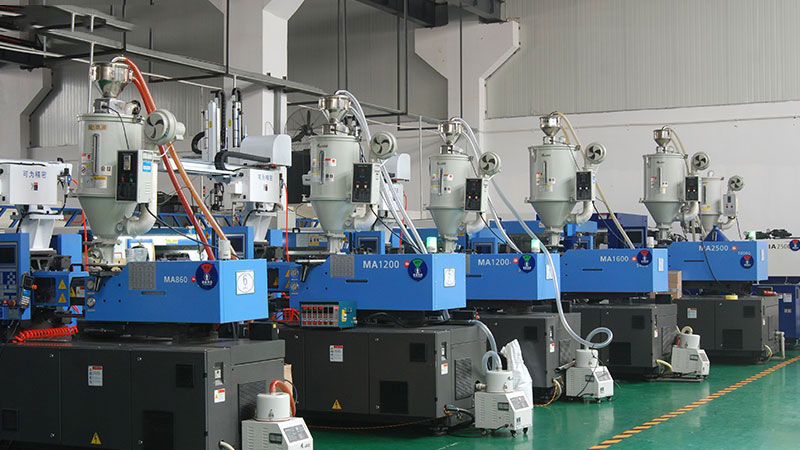
    The foundation of a successful import project lies in meticulous supplier verification. Moving beyond a simple Alibaba search is crucial for 2026. Start by identifying a shortlist of China mold factories with proven experience in your specific industry, whether it’s automotive, medical, consumer electronics, or packaging. Scrutinize their portfolio for projects of similar complexity and size. Demand to see certifications; ISO 9001 is a baseline, while industry-specific certifications like IATF 16949 for automotive or ISO 13485 for medical are significant trust signals. The most critical step is a virtual or, ideally, in-person factory audit. Use video calls to tour their facility, inspect their machinery (look for modern CNC, EDM, and CMM equipment), and meet their engineering team. This process separates true technical partners from mere trading companies.

    Once a potential partner is identified, mastering the technical and commercial quotation phase is your next hurdle. A professional custom plastic injection mold manufacturer will not provide a price based solely on a sketch. They will request a detailed 3D part file (STEP or IGES) and specifications for material, annual volume, and critical tolerances. Analyze their DFM (Design for Manufacturability) report meticulously. This document is a litmus test of their expertise. A strong DFM will suggest modifications to improve mold flow, reduce stress, simplify ejection, and ultimately lower cost and increase part quality. In your negotiations, clearly separate mold cost from part price. Understand the payment terms (common splits are 50/50 or 30/40/30), lead time breakdown, and exactly what is included: number of cavities, mold base standard, steel grade, surface finishes, and lifespan guarantees. Transparency here prevents costly change orders later.

    The most significant concern for any overseas buyer is maintaining rigorous quality control from thousands of miles away. Proactive communication is your strongest tool. Insist on a staged inspection protocol. Key milestones include a mold design review, T1 sample inspection, and a final pre-shipment audit. For the T1 samples, have them shipped to you for firsthand evaluation. Measure critical dimensions, check appearance, and perform functional tests. Many reputable suppliers offer third-party inspection services like SGS or Bureau Veritas, which can act as your eyes on the ground. Furthermore, discuss their process control for future production runs: how do they manage material consistency, monitor process parameters, and conduct routine maintenance on the injection mold? Establishing these QC protocols upfront with your China mold factory is non-negotiable for long-term success.

    Navigating logistics, intellectual property (IP), and post-sales support are the final, critical pieces of the puzzle. For logistics, work with your manufacturer to determine the optimal shipping method—air for urgency, sea for cost-effectiveness. Ensure they have experience in proper mold packaging (usually wooden crates) and handling all export documentation. IP protection is paramount. A legally binding Non-Disclosure Agreement (NDA) and a clear IP clause in your contract are essential. While absolute security is challenging, working with established, reputable manufacturers significantly reduces risk, as their business relies on their reputation. Finally, clarify post-sales support. What is their policy on mold modifications or repairs? Who covers the cost if a core pin breaks during sampling? A reliable partner will stand behind their work and offer clear terms for ongoing support.

    As you plan your procurement strategy for 2026 and beyond, remember that importing a custom plastic injection mold from China is an investment in a partnership, not just a transaction. The best outcomes arise from selecting a manufacturer that demonstrates technical competency, transparent communication, and a commitment to shared quality standards. By rigorously applying the steps of supplier verification, detailed technical collaboration, staged quality control, and clear contractual agreements, you transform the complexity of overseas sourcing into a reliable competitive advantage. The right partnership will not only deliver a precision tool but will become a cornerstone of your product development and manufacturing success for years to come.

    Work With Us

    As a professional China mold manufacturer, we provide one-stop mold solution for overseas buyers.
    📞 Phone: +86-18605944639
    💬 WhatsApp: +8618605944639
    🌐 Website: bestmoldworks.com
    📧 Email: [email protected]
  • custom injection molded parts: Ultimate Guide for Buy 2026

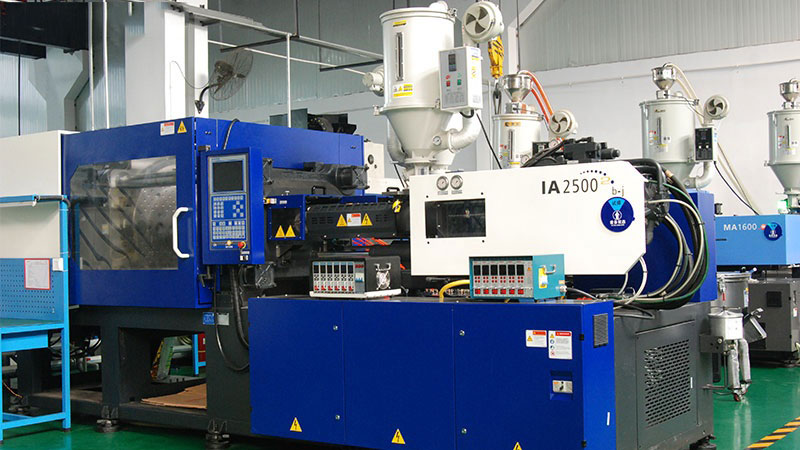
    For overseas businesses, sourcing custom injection molded parts represents a pivotal step in product development and manufacturing. The advantages of partnering with a specialized China mold factory are compelling: significant cost savings, extensive manufacturing expertise, and scalable production capacity. However, the path to a successful partnership is fraught with challenges, from supplier verification to consistent quality control. This guide for 2026 cuts through the complexity, offering a professional, actionable framework to navigate the procurement process and secure a reliable supply of high-quality components.

    Mastering the Initial Specification and Quotation Phase

    The foundation of a successful project lies in crystal-clear communication. Before contacting any supplier, invest time in creating a comprehensive Request for Quotation (RFQ) package. This should include detailed 3D CAD models (STEP or IGS files), 2D technical drawings with GD&T where applicable, and a complete material specification. For your custom injection molded parts, explicitly state the polymer grade, color (Pantone or RAL codes), and any required certifications (e.g., FDA, UL94, ISO 10993). Furthermore, outline critical part requirements such as tolerances, cosmetic surfaces, and intended annual volumes. Providing this level of detail prevents misunderstandings, ensures you receive comparable quotes, and signals professionalism to potential partners. In 2026, leading manufacturers expect digital-ready packages, streamlining the transition from quote to tooling.

    Conducting Rigorous Supplier Verification and Selection

    The single most critical risk mitigation step is thorough supplier verification. Moving beyond Alibaba storefronts is essential. Begin by shortlisting China mold factories with demonstrable experience in your industry and part complexity. Request and scrutinize case studies or sample parts. A mandatory step is a virtual or, ideally, in-person factory audit. Verify their capabilities: inspect mold manufacturing workshops (look for CNC, EDM, and precision grinding equipment) and their injection molding production floors. Confirm their quality control infrastructure, including CMM, optical comparators, and testing labs. Crucially, check business licenses and talk to existing overseas clients. In the current landscape, a supplier’s proficiency with digital project management tools and transparent communication protocols is as important as their machinery. This due diligence separates true partners from transactional vendors.

    Navigating the Injection Mold Design and Manufacturing Process

    The injection mold itself is the heart of your project. Engage with your chosen supplier’s engineering team in a collaborative Design for Manufacturability (DFM) review. A competent China mold factory will provide a formal DFM report, highlighting potential issues like wall thickness inconsistencies, undercuts, or problematic gate locations before steel is cut. Discuss and agree on mold standards (e.g., HASCO, DME, or custom), cavity count, mold flow analysis plans, and the mold trial schedule. Understand the payment terms linked to key milestones: often a deposit to commence design, a payment upon mold completion, and the balance after first article approval. Insist on regular progress updates with photos or videos. This proactive involvement ensures the tool is built to a high standard, directly impacting the quality, consistency, and longevity of your future custom injection molded parts.

    Implementing Proactive Quality Control and Logistics Planning

    Quality cannot be inspected into a part; it must be built into the process. Define your quality expectations upfront in a Quality Control Plan. This should specify First Article Inspection (FAI) requirements using the initial sample parts from the mold trial, the frequency of in-process inspections during production runs, and the final pre-shipment inspection (PSI) protocol. For critical components, consider engaging a third-party quality inspection service within China for an unbiased audit. Concurrently, develop a robust logistics strategy. Discuss Incoterms (EXW, FOB, or DAP) clearly to delineate responsibility and cost. Plan for secure, cost-effective packaging that protects the molds and subsequent production parts. In 2026, savvy buyers also evaluate a supplier’s sustainability practices and carbon footprint data, as these factors increasingly influence supply chain decisions and end-market perceptions.

    Building a Sustainable Long-Term Partnership

    View your initial order not as a one-off transaction but as the beginning of a strategic partnership. A reliable supplier for your injection mold and subsequent parts is a significant asset. Foster this relationship through clear contracts that cover intellectual property (IP) protection, terms for mold ownership and storage, and agreements for future production runs. Maintain open and respectful communication channels. As volumes grow, explore value-engineering opportunities with your supplier; their expertise can often suggest design tweaks or material alternatives that reduce cost without compromising function. A true partner will support your product lifecycle, from rapid design iterations to managing end-of-life production, providing stability and agility to your supply chain.

    Conclusion

    Importing custom injection molded parts from China in 2026 demands a blend of traditional procurement diligence and modern, collaborative engagement. The journey from concept to consistent, high-volume production hinges on meticulous specification, uncompromising supplier verification, active involvement in the mold-making process, and stringent quality control. By treating your chosen China mold factory as a strategic extension of your own operations, you unlock not just cost advantages, but also innovation, scalability, and resilience. This professional approach transforms the complexities of overseas procurement into a reliable competitive edge, ensuring your products are built on a foundation of quality and partnership for years to come.

    Work With Us

    As a professional China mold manufacturer, we provide one-stop mold solution for overseas buyers.
    📞 Phone: +86-18605944639
    💬 WhatsApp: +8618605944639
    🌐 Website: bestmoldworks.com
    📧 Email: [email protected]
  • mold factory: Expert Tips & Solutions 2026 | China Mold Factory

    For overseas buyers, procuring high-quality molds from China represents a significant strategic advantage, offering unparalleled value and manufacturing capability. However, navigating the vast landscape of suppliers to find a reliable and professional **mold factory** can be a daunting process filled with potential pitfalls. The success of your entire production line hinges on this critical decision. This guide provides actionable, forward-looking solutions for 2026, designed to help you streamline your **procurement** process, verify suppliers with confidence, and establish robust quality control protocols from the outset.

    Conducting Deep-Dual Verification Beyond Basic Certifications

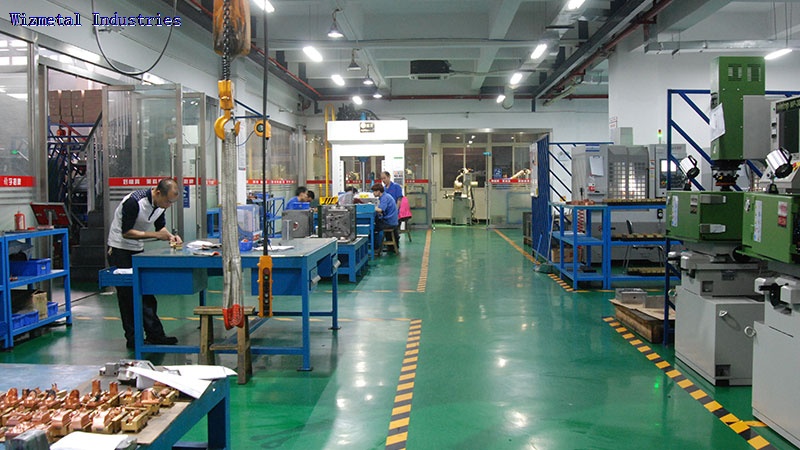
    The initial step in identifying a suitable **China mold factory** involves moving beyond superficial checks. While business licenses and standard certifications are a basic prerequisite, they are merely a starting point. In 2026, expert procurement demands a deeper, dual-layered verification approach. First, utilize digital tools to your advantage. Scrutinize their professional presence on B2B platforms like Made-in-China or Alibaba, but pay closer attention to detailed project portfolios on their official website and LinkedIn. Look for case studies relevant to your industry, be it automotive components, consumer electronics, or medical devices. Second, initiate a technical dialogue early. A competent factory will assign a project engineer, not just a salesperson, to discuss your **injection mold** requirements. Present a preliminary 3D model or drawing and gauge their response. Do they ask insightful questions about materials, tolerances, cavity pressure, or cooling channel design? This technical engagement is the first real test of their expertise and a crucial part of effective **supplier verification**.

    Mastering the RFQ Process to Compare True Capabilities

    A well-structured Request for Quotation (RFQ) packet is your most powerful tool for comparing apples to apples. A vague inquiry will yield incomparable quotes and hidden costs. To secure accurate and competitive proposals, your RFQ must include comprehensive and precise information. Essential elements are: a detailed 3D model (STEP or IGS format) and 2D drawings with GD&T; specified material grade (e.g., P20, H13, Stainless 420) and expected lifespan (number of cycles); target part volume and required cycle time; and clear surface finish requirements (SPI standards). Furthermore, explicitly request a breakdown of costs for mold design, materials, machining, testing, and shipping. Crucially, stipulate the deliverables: a full DFM (Design for Manufacturability) report before production begins, and first-article inspection reports from the trial run. This disciplined approach forces each **China mold factory** to quote on the same rigorous basis, revealing their true professionalism and attention to detail.

    Implementing Stage-Gated Quality Control and Digital Monitoring

    Passive hope is not a **quality control** strategy. For overseas buyers, proactive, stage-gated inspection is non-negotiable. The most effective method is to tie payments to the completion and approval of key milestones. A standard protocol should include: 1) Design Review Gate: Approve the DFM report and mold flow analysis before steel is cut. 2) First Article Inspection (FAI) Gate: Upon trial shot, receive comprehensive inspection reports (CMM data, photos, video of cycling) and physical samples. For critical projects, hiring a local third-party inspection agency for an on-site Pre-Shipment Inspection (PSI) at this stage is a wise investment. In 2026, leverage technology for remote monitoring. Require the factory to provide regular photo or video updates of key machining processes—electrode setting, EDM, polishing, and assembly. This digital window into the workshop builds transparency and allows for early intervention if processes deviate from expectations, ensuring the final **injection mold** meets your precise specifications.

    Building a Partnership Through Clear Contracts and IP Protection

    Viewing your chosen **mold factory** as a strategic partner rather than a one-time vendor yields long-term benefits. This partnership must be founded on a clear, detailed contract that protects both parties. Key clauses should address intellectual property (IP) ownership, specifying that all part and mold designs remain your exclusive property. Include confidentiality agreements (NDAs) and ensure they are signed before sharing any technical data. The contract must meticulously outline payment terms linked to the quality gates mentioned earlier, warranty periods (typically 12-24 months against workmanship and material defects), and liability for delays. Furthermore, discuss post-sales support. Will they store the mold? What are the costs and lead times for future maintenance or modifications? Establishing these terms formally at the beginning fosters a relationship based on clarity and mutual respect, minimizing disputes and ensuring reliable support throughout the mold’s lifecycle.

    Conclusion

    Successfully importing molds from China in 2026 requires a methodical, informed approach that prioritizes verification, clear communication, and proactive quality management. By implementing deep supplier vetting, mastering the RFQ process, enforcing stage-gated inspections with digital oversight, and formalizing the partnership with a robust contract, you transform a complex international procurement challenge into a streamlined, low-risk operation. The goal is to move from uncertainty to confidence, leveraging the expertise and cost-effectiveness of a professional **China mold factory** to secure a high-precision tool that becomes a cornerstone of your manufacturing success for years to come. Start your next project with these solutions in hand, and build a supply chain that is both competitive and reliable.

    Work With Us

    As a professional China mold manufacturer, we provide one-stop mold solution for overseas buyers.
    📞 Phone: +86-18605944639
    💬 WhatsApp: +8618605944639
    🌐 Website: bestmoldworks.com
    📧 Email: [email protected]

  • injection molding company in China: Professional Buying 2026

    For overseas buyers, sourcing an injection molding company in China remains one of the most potent strategies for achieving cost efficiency and scaling production. However, the landscape is evolving rapidly. The approach that worked in 2020 is insufficient for 2026. Today, professional buying is less about finding the lowest quote and more about building a resilient, transparent, and quality-driven supply chain. This guide cuts through the noise to provide actionable, forward-looking strategies for partnering with a reliable China mold factory.

    The core challenge has shifted from mere discovery to intelligent verification. The modern procurement professional must navigate a market where capabilities vary wildly, from backyard workshops to fully digitized, ISO-certified operations. Your success hinges on a systematic process that mitigates risk from the outset, ensuring your injection mold is not just cheap, but a precision-engineered asset that performs consistently in your production line. Let’s delve into the practical steps that define professional buying in 2026.

    Mastering Supplier Verification Beyond Alibaba

    The first and most critical step is moving beyond platform profiles. A professional buyer in 2026 treats initial online discovery as a starting point, not a vetting process. True supplier verification involves multi-layered due diligence. Begin with a detailed analysis of the company’s digital footprint: a professional website with technical white papers, active LinkedIn profiles for engineering staff, and client case studies are strong indicators. However, the non-negotiable step is a virtual or in-person audit. Utilize third-party inspection services or conduct a live video tour of the facility. Focus on their machine park—are they using modern, CNC, EDM, and high-speed milling equipment? Assess their workshop organization; a 5S environment often correlates with disciplined quality management. This deep dive separates market-leading operations from mere trading companies.

    Embedding Quality Control from Design to Shipment

    Quality cannot be inspected into a product; it must be built into the process. When discussing your project with a potential injection molding company in China, the conversation must center on their Quality Control protocols. Demand a clear, documented Quality Control Plan (QCP) that outlines checkpoints at each stage: First Article Inspection (FAI) after mold trial, Dimensional Reports using CMM (Coordinate Measuring Machine) scans, and material certification audits. In 2026, leading factories employ Process Validation Reports (PVR) and Statistical Process Control (SPC) during pre-production runs to ensure stability. Specify your acceptable quality level (AQL) standards upfront and agree on the format for reporting non-conformities. Insist on high-resolution photos and videos of the first shots from the mold, including close-ups of gate locations and any witness lines. This proactive integration of QC turns your supplier into a accountable partner, not just a producer.

    Strategic Communication and Intellectual Property Protection

    Miscommunication is the root cause of most failed projects. Professional procurement mandates crystal-clear technical dialogue. Invest in creating a comprehensive product specification package: 3D drawings (STEP, IGES), 2D drawings with GD&T (Geometric Dimensioning and Tolerancing), material specifications (including color Pantone codes and grade certificates), and a detailed sample if available. Use these documents as the contractual basis for your order. Regarding Intellectual Property (IP), concerns are valid but manageable. Work with suppliers who are willing to sign a robust NNN Agreement (Non-Use, Non-Disclosure, Non-Circumvention) tailored to Chinese jurisdiction, rather than a generic Western NDA. For critical molds, consider stipulating that the steel is purchased in your company’s name and that all design files are stored on a segregated server. A reputable China mold factory will understand these concerns and have established protocols, as protecting client IP is now a mark of a credible partner.

    Navigating Logistics and Total Cost Analysis

    The true cost of your injection mold extends far beyond the proforma invoice. The professional buyer of 2026 conducts a Total Cost of Ownership (TCO) analysis. This includes mold cost, shipping (air freight vs. sea freight), insurance, import duties, and potential costs for rework or delays. Discuss Incoterms 2020 explicitly—FOB Shenzhen is common, but for simplicity, consider DAP (Delivered at Place) to your warehouse. Ensure your supplier has experience in preparing export-compliant packaging; molds require wooden crates with proper desiccants to prevent rust during transit. Furthermore, discuss post-sales support. Will they provide a mold maintenance manual? What are the terms for warranty on workmanship? How are repair costs and lead times handled? Clarifying these operational details upfront prevents unexpected expenses and ensures a smooth transition into your production cycle.

    Building a Partnership for Long-Term Value

    The ultimate goal of professional buying is to transition from a transactional relationship to a strategic partnership. After successfully completing the initial procurement, focus on fostering collaboration. Provide constructive feedback on the mold performance in your production. Discuss plans for future projects or potential design for manufacturability (DFM) optimizations. A reliable partner will appreciate this engagement and often prioritize your projects, offering better support and flexibility. This long-term perspective is what truly unlocks the value of sourcing from a skilled injection molding company in China. It transforms your supplier from a cost center into a value-adding extension of your engineering team.

    Conclusion

    Importing molds from China in 2026 demands a sophisticated, process-oriented approach. It is a discipline that balances rigorous technical verification with strategic relationship management. By mastering supplier verification, embedding quality control, ensuring clear communication, analyzing total costs, and aiming for partnership, overseas buyers can significantly de-risk their procurement process. The competitive edge no longer lies solely in cost savings, but in securing a reliable, high-quality supply chain that drives innovation and efficiency for years to come. Your journey begins with recognizing that the right China mold factory is not just a vendor, but a critical pillar of your product’s success.

    Work With Us

    As a professional China mold manufacturer, we provide one-stop mold solution for overseas buyers.
    📞 Phone: +86-18605944639
    💬 WhatsApp: +8618605944639
    🌐 Website: bestmoldworks.com
    📧 Email: [email protected]

  • china injection mold factory: Reliable Manufacturers Gu 2026

    For overseas buyers, sourcing injection molds from China remains a strategic decision to balance cost, capability, and speed to market. However, the landscape is evolving rapidly. As we look toward 2026, the challenge is no longer simply finding a manufacturer, but identifying a truly reliable China injection mold factory that can act as a long-term partner for innovation and quality. This guide cuts through the noise to provide actionable, professional strategies for your procurement success, focusing on verification, communication, and systematic quality control.

    The foundation of a successful import partnership begins long before a purchase order is issued. It starts with rigorous supplier verification. In 2026, due diligence must go beyond a basic website check. Start by verifying the factory’s business license via official Chinese platforms and cross-referencing their stated address with satellite imagery. For a China mold factory, insist on a virtual or recorded live video tour of their production floor. Focus on seeing their mold-making equipment, such as CNC machining centers, EDM machines, and mold trial injection presses. A legitimate factory will readily showcase this. Furthermore, request and contact a minimum of three past international clients. Ask specific questions about project management, problem-solving, and post-sales support. This step moves you from a list of potential suppliers to a shortlist of verified contenders.

    Once you have identified potential partners, defining your project with exceptional clarity is non-negotiable. Ambiguity is the primary cause of cost overruns and quality disputes. Provide a comprehensive technical data package that includes not just a 3D model, but also detailed 2D drawings with critical dimensions, tolerances, surface finish specifications, and material grades. Specify the intended production resin, as this directly influences mold steel selection and cooling channel design. Clearly state your expected mold lifespan, for example, 500,000 cycles, and your quality acceptance criteria, such as part dimensions and cosmetic standards. This detailed documentation serves as the contractual bedrock for your project and allows different factories to quote on an identical basis, enabling a true apples-to-apples comparison during procurement.

    A professional China injection mold factory will understand that quality is built into the process, not just inspected at the end. Therefore, your focus must shift from final inspection to process control. Insist on a defined quality control plan that includes staged inspections. Critical checkpoints typically include a material certificate review for the mold steel, a first article inspection after the mold base is machined, and a pre-shipment sample trial with dimensional reports. Many reliable manufacturers will provide real-time updates with photos and videos at these stages. For critical projects, consider engaging a local third-party quality inspection firm to conduct an on-site audit during the T1 sample trial. This independent verification provides an additional layer of security and ensures the mold performs to specification before it leaves the factory, mitigating a significant portion of your risk.

    The true test of a supplier’s reliability often occurs after the initial mold is delivered. Discuss and agree upon post-sales support terms upfront. A reliable partner will offer a clear warranty, typically covering workmanship and materials for one year. More importantly, understand their protocol for handling mold modifications or repairs. Will they store your mold design files for future iterations? What are the costs and lead times for engineering changes? Establishing these protocols ensures a smooth transition from prototyping to full-scale production and safeguards your investment for the long term. This forward-thinking approach transforms a transactional supplier into a strategic asset for your business as you scale.

    In conclusion, importing injection molds from China in 2026 demands a sophisticated, process-oriented approach. The journey from sourcing to a successful production run hinges on meticulous supplier verification, crystal-clear technical communication, proactive quality control integration, and ironclad post-sales agreements. By implementing these actionable strategies, you move beyond simply finding a vendor to partnering with a professional china injection mold factory invested in your product’s success. This disciplined methodology not only secures a high-quality tool but also builds a resilient supply chain capable of supporting your growth for years to come.

    Work With Us

    As a professional China mold manufacturer, we provide one-stop mold solution for overseas buyers.
    📞 Phone: +86-18605944639
    💬 WhatsApp: +8618605944639
    🌐 Website: bestmoldworks.com
    📧 Email: [email protected]

  • Mold for PP parts: Ultimate Guide for Buyers 2026 | China Mold Factory

    Importing a high-quality, cost-effective mold for PP parts from China is a strategic decision for countless overseas businesses. Polypropylene (PP) is a versatile, durable, and economical thermoplastic, making it a top choice for components across automotive, consumer goods, packaging, and medical industries. However, the journey from identifying a potential China mold factory to receiving a perfect injection mold at your facility is fraught with potential challenges. This guide is designed to cut through the noise and provide you with a clear, actionable roadmap for successful procurement in 2026, focusing on solving real problems you will face.

    The foundation of a successful project lies in selecting the right partner, not just the lowest bidder. Supplier verification is the most critical step many buyers underestimate. Begin by moving beyond Alibaba listings. Conduct video calls to tour the factory floor virtually; a reputable China mold factory will readily arrange this. Look for active machinery, clean workspaces, and organized quality control stations. Specifically ask about their experience with polypropylene. PP has high shrinkage rates and can be prone to warping; an experienced mold maker will understand the necessary gate design, cooling channel layout, and venting specifics to manage these characteristics. Request and contact references from past overseas clients, particularly those who produced similar PP parts. Verify their business licenses and export history. This due diligence mitigates the immense risk of partnering with an unqualified workshop.

    Once a potential partner is identified, precise technical communication becomes your primary tool for ensuring quality. The phrase “mold for PP parts” is a starting point, not a specification. Develop a comprehensive mold design specification document. This should include a fully detailed 3D part drawing (STEP or IGS format), material grade specifics, expected annual volumes, and critical tolerances. Clearly state surface finish requirements (SPI standards) and any texturing needs. For injection mold projects, the mold flow analysis report is non-negotiable. Insist that your supplier provides one before steel is cut. This simulation predicts how molten PP will fill the cavity, identifying potential weld lines, air traps, and shrinkage issues. A factory that proactively uses and explains this analysis demonstrates technical competency and a commitment to preempting costly mold modifications later.

    A transparent and structured procurement process protects both parties and ensures project alignment. Never proceed without a fixed-price, detailed quotation and a clear project timeline (Gantt chart). The quote should itemize costs for mold design, mold base, cavity/core steel (state the brand, e.g., ASSAB 718H), standard components (like HASCO or DME), hot runner system (if applicable), mold trials, and shipping. Understand the payment terms; a standard 50% deposit, 40% after T1 sample approval, and 10% before shipment is common. Crucially, define the sample approval process. How many trial shots (T1, T2) are included? Who pays for the PP material for trials? How will samples be shipped for your evaluation? Having these terms documented in a proforma invoice or simple purchase agreement prevents disputes and sets professional expectations.

    Your involvement does not end after the purchase order is issued. Proactive quality control during the manufacturing process is essential. Schedule milestone inspections. The first should be after the mold design is finalized but before machining begins. The second critical inspection is during the mold trial (T1). If possible, visit the factory for the first trial. If travel is not feasible, mandate a live video stream of the trial run. Observe the process, the part ejection, and the condition of the produced PP parts. Request that the supplier sends you not just a few perfect samples, but a consecutive short-run of 50-100 parts to check for consistency and stability. Measure the parts against your drawings, check for sink marks, warpage, and flash. A reliable partner will document the trial parameters (injection speed, pressure, temperatures) for repeatability. This hands-on QC approach catches issues while the mold is still at the factory, where corrections are fastest and most affordable.

    Finally, plan for the long-term lifecycle of your injection mold. Discuss post-sales support and maintenance before finalizing your order. A professional China mold factory will provide the complete mold design archive, including 2D drawings and 3D files, and a detailed maintenance manual. Clarify the warranty period for workmanship and materials—typically 12 to 24 months is standard. Understand their policy on spare parts: can you purchase additional cavity inserts or replacement components easily in the future? Establish a communication channel for technical support. When your local molding house encounters an issue, you need a responsive contact at the mold maker to troubleshoot. This enduring partnership mindset transforms a one-time transaction into a valuable supply chain asset.

    Securing a dependable, high-performance mold for PP parts from a Chinese manufacturer is a highly achievable goal that offers tremendous competitive advantage. The key is to approach the process systematically: vet suppliers with rigor, communicate with technical precision, structure your procurement for clarity, enforce staged quality control, and plan for sustained partnership. By following this actionable framework, you move beyond being just an international buyer to becoming an informed partner. This empowers you to leverage the expertise and cost benefits of a skilled China mold factory, turning your polypropylene part design into a consistent, high-quality reality that drives your product’s success in the global market.

    Work With Us

    As a professional China mold manufacturer, we provide one-stop mold solution for overseas buyers.
    📞 Phone: +86-18605944639
    💬 WhatsApp: +8618605944639
    🌐 Website: bestmoldworks.com
    📧 Email: [email protected]

  • silicone mould factory: Reliable Manufacturers Guide 2026

    For overseas buyers, importing molds from China represents a significant opportunity to access high-quality manufacturing at competitive costs. However, navigating the vast landscape of suppliers to find a truly reliable silicone mould factory can be a daunting task filled with potential pitfalls. This guide is designed to cut through the noise and provide you with a practical, actionable framework for 2026. We will focus on solving the real problems you face in procurement, from initial supplier verification to final quality control, ensuring your partnership with a China mold factory is built on a foundation of trust and excellence.

    Mastering Supplier Verification and Vetting

    The first and most critical step is moving beyond simple online directories. A genuine and capable silicone mould factory will have a transparent and verifiable track record. Begin by conducting a multi-faceted verification process. Check business licenses (via platforms like Tianyancha) to confirm legal registration and capital. Insist on video calls for virtual factory tours; a reputable supplier will readily showcase their workshop, machinery (look for CNC, EDM machines), and ongoing projects. Request and contact at least three past international clients for references, specifically asking about communication, adherence to schedules, and post-sales support. In 2026, leveraging professional third-party inspection services for an initial pre-qualification audit is becoming a standard best practice to mitigate risk before any contract is signed.

    Technical Communication and Prototyping Clarity

    Miscommunication during the design and prototyping phase is a primary cause of cost overruns and delays. To solve this, your technical data package must be impeccable. Provide detailed 2D drawings with complete GD&T (Geometric Dimensioning and Tolerancing) standards, material specifications (e.g., food-grade silicone, LSR, or specific steel grades for the injection mold), and expected production volumes. Clearly define the critical-to-quality (CTQ) dimensions. A professional China mold factory will review your designs for manufacturability (DFM) and suggest practical modifications that save cost without compromising function. Never skip the prototyping stage. Insist on a T1 sample from the actual production tool before authorizing mass production. This step allows for physical verification of fit, finish, and function, and is the moment to agree on any necessary mold adjustments.

    Implementing Rigorous Quality Control Protocols

    Quality cannot be inspected into a product; it must be built into the process. Your agreement with the silicone mould factory must include explicit, documented quality control protocols. This goes beyond a simple “we check quality” promise. Specify the inspection stages: First Article Inspection (FAI) with a comprehensive report against your drawings, In-Process Quality Checks (IPQC) during cavity polishing and assembly, and a Pre-Shipment Inspection (PSI). Define the acceptable quality level (AQL) for sampling if you are ordering finished molded parts. For critical components, especially high-precision injection molds, consider mandifying a mold flow analysis report to predict and prevent potential filling or cooling issues. On-site inspections by your team or a trusted third-party agency during key milestones are a worthwhile investment that prevents costly surprises.

    Navigating Logistics, IP Protection, and Payment Terms

    The business framework protecting your transaction is as important as the technical details. Intellectual Property (IP) protection is a valid concern. Work with a factory that understands this and is willing to sign a robust Non-Disclosure Agreement (NDA) and a product-specific confidentiality agreement. Consider registering your design in China if volumes justify it. Regarding payment terms, the standard 50% deposit and 50% before shipment is common, but for new partnerships, negotiate terms that balance risk, such as 30% deposit, 40% after sample approval, and 30% before shipment. Finally, clarify Incoterms 2020 responsibilities. Will the factory handle EXW (Ex-Works), FOB, or are they experienced in arranging DAP shipping? A reliable partner will guide you through these logistics efficiently.

    Building a Partnership for Long-Term Success

    Viewing your chosen manufacturer as a strategic partner rather than just a vendor transforms the relationship. Consistent, clear communication through a single point of contact (a project manager) is vital. Discuss future needs upfront; a good China mold factory can advise on mold maintenance, spare parts, and potential design iterations for future product generations. Their expertise in materials and processes, such as transitioning from a prototype silicone mold to a high-volume multi-cavity injection mold, can be invaluable. This long-term perspective encourages the supplier to invest more in your success, leading to better service, priority scheduling, and collaborative problem-solving.

    Conclusion

    Importing molds from China in 2026 demands a strategic, informed approach centered on due diligence and clear communication. By meticulously verifying suppliers, enforcing precise technical standards, implementing layered quality control, securing your business terms, and fostering a partnership mindset, you can confidently unlock the immense value offered by Chinese manufacturing. The goal is to move from uncertainty to a streamlined, reliable procurement channel. A truly professional silicone mould factory will not only meet your specifications but will also become a cornerstone of your supply chain, driving innovation and efficiency for years to come. Let this guide be your roadmap to establishing that successful partnership.

    Work With Us

    As a professional China mold manufacturer, we provide one-stop mold solution for overseas buyers.
    📞 Phone: +86-18605944639
    💬 WhatsApp: +8618605944639
    🌐 Website: bestmoldworks.com
    📧 Email: [email protected]